- Turning big ideas into great products
- +91-9036658827

Preventive Maintenance Checklist for EOT Cranes
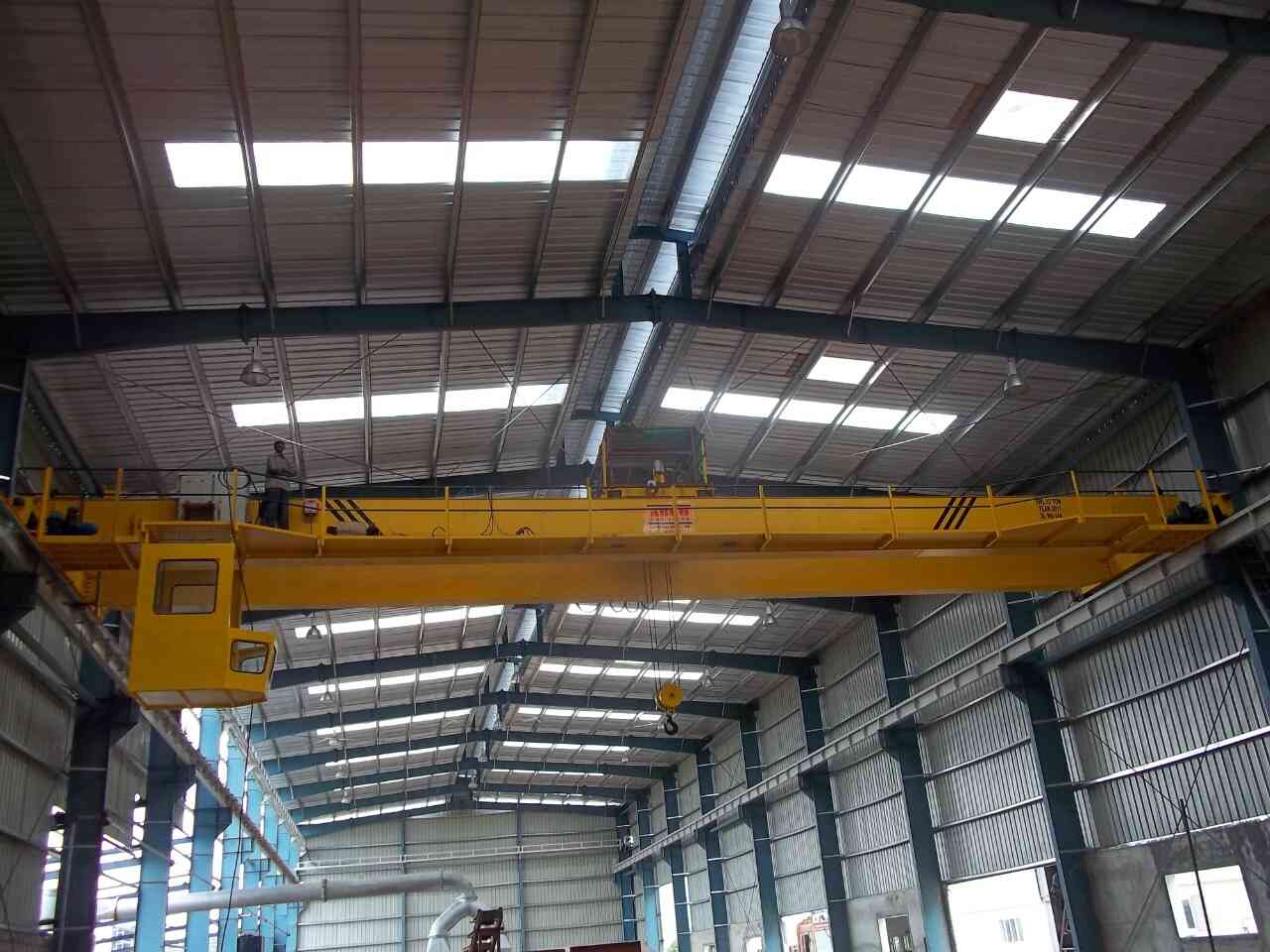
Preventive Maintenance Checklist for EOT Cranes
Electric Overhead Travelling (EOT) cranes play a crucial role in industries such as manufacturing, construction, warehouses, steel plants, and logistics by handling heavy loads efficiently and safely. However, continuous operation can lead to wear and tear, making regular maintenance essential for uninterrupted performance. A well-planned EOT Crane Maintenance program not only extends the lifespan of the crane but also minimizes downtime, improves workplace safety, and reduces costly repairs.
As one of the trusted EOT Crane Manufacturers Bangalore, ABCO Engineers understands that preventive maintenance is the key to maximizing crane performance. Whether you own a single-girder or double-girder crane, following a structured maintenance checklist ensures reliable and safe operations every day.
Why Preventive Maintenance Matters
Preventive maintenance is a proactive approach that identifies potential issues before they develop into major failures. Since EOT cranes are subjected to continuous lifting, movement, and heavy-duty applications, neglecting routine inspections can result in equipment breakdown, production delays, and safety hazards.
A comprehensive maintenance schedule allows industries to detect worn-out components, lubricate moving parts, inspect electrical systems, and verify load-handling capabilities. This not only increases operational efficiency but also ensures compliance with industrial safety standards.
Understanding the EOT Crane Inspection Checklist
An effective EOT Crane Inspection Checklist should cover every major component of the crane to ensure smooth functionality. Structural elements such as the bridge, trolley, runway beams, and supporting framework should be inspected for cracks, corrosion, deformation, or loose fasteners. Even minor structural damage can compromise the crane's stability and lifting capacity over time.
The hoisting mechanism should also be examined carefully. Wire ropes must be checked for fraying, broken strands, corrosion, and improper winding. Hooks should be inspected for cracks, excessive wear, and deformation, while sheaves and drums should rotate freely without unusual friction.
Electrical systems require equal attention. Control panels, wiring, pendant controls, remote systems, limit switches, emergency stop functions, and power supply connections should all be tested regularly to prevent electrical failures that may interrupt operations.
Brakes, motors, gearboxes, wheels, and bearings should be inspected for smooth operation, unusual noise, overheating, or excessive vibration. Addressing these issues early helps avoid expensive repairs and unexpected production stoppages.
Importance of EOT Crane Maintenance
Regular EOT Crane Maintenance improves the reliability of lifting operations while enhancing workplace safety. Routine maintenance helps detect hidden faults that may otherwise remain unnoticed until they become serious failures. Proper maintenance also reduces energy consumption because well-maintained motors, gearboxes, and moving components operate with greater efficiency.
Preventive servicing minimizes emergency breakdowns, allowing businesses to maintain productivity without costly interruptions. It also extends the overall service life of expensive crane systems, making maintenance a cost-effective investment rather than an operational expense.
At ABCO Engineer, maintenance planning is considered an integral part of crane ownership, helping industries maintain high productivity with minimal downtime.
Following the Right Crane Lubrication Schedule
A proper Crane lubrication schedule is essential for reducing friction, preventing premature wear, and ensuring smooth crane movement. Lubrication should be performed according to the manufacturer's recommendations, considering the crane's operating hours, environmental conditions, and load capacity.
Wire ropes require regular lubrication to prevent corrosion while maintaining flexibility. Bearings, gears, wheel assemblies, trolley mechanisms, and hoisting components also need periodic lubrication using high-quality industrial lubricants. Insufficient lubrication increases friction, generates excess heat, and accelerates component wear, leading to reduced crane efficiency.
Industries operating cranes in dusty, humid, or high-temperature environments should inspect lubrication more frequently to maintain optimal performance.
Common Warning Signs That Should Never Be Ignored
Even with a preventive maintenance schedule, operators should remain alert for unusual warning signs during daily operations. Abnormal noises, excessive vibrations, slow hoisting speeds, irregular trolley movement, overheating motors, oil leakage, damaged wire ropes, worn hooks, and inconsistent braking performance indicate that immediate inspection is necessary.
Ignoring these symptoms can increase repair costs, reduce crane reliability, and compromise operator safety. Timely diagnosis helps prevent major equipment failures and ensures continuous production.
Why Choose ABCO Engineers
As one of the leading Double Girder EOT Crane Manufacturers Bangalore, ABCO Engineers provides high-quality crane solutions designed for durability, efficiency, and long-term performance. The company also offers expert guidance on maintenance practices, inspections, servicing, and operational safety to help industries maximize equipment life.
Being among the reliable EOT Crane Manufacturers Bangalore, ABCO Engineers focuses on engineering excellence, superior manufacturing standards, and dependable after-sales support. Every crane is designed to deliver exceptional lifting performance while meeting stringent industrial safety requirements.
Conclusion
Preventive maintenance is the foundation of safe and efficient crane operations. A systematic EOT Crane Inspection Checklist, timely EOT Crane Maintenance, and a well-planned Crane lubrication schedule significantly improve equipment reliability, reduce operational costs, and extend crane lifespan. By partnering with experienced Double Girder EOT Crane Manufacturers Bangalore like ABCO Engineers, industries can ensure their lifting equipment continues to operate safely and efficiently for years to come.
Regular inspections and preventive care are not simply maintenance tasks—they are strategic investments that protect equipment, improve productivity, and create a safer working environment.