- Turning big ideas into great products
- +91-9036658827

Crane Safety Standards Every Plant Manager Should Know
Crane Safety Standards Every Plant Manager Should Know
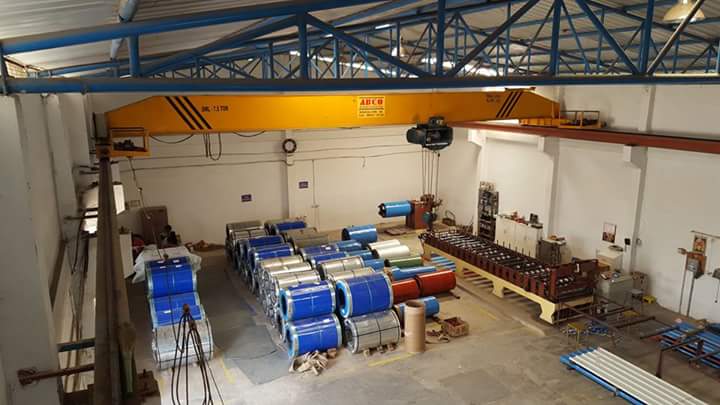
In today’s high-risk industrial environments, cranes play a central role in material handling, productivity, and operational efficiency. However, they also pose serious safety challenges if not managed correctly. For plant managers, understanding and implementing crane safety standards in manufacturing plants is essential to protect workers, prevent operational disruptions, and ensure compliance with statutory requirements. As industries increasingly rely on trusted suppliers such as crane manufacturers, safety now extends beyond equipment quality to include disciplined operations, maintenance practices, and workplace awareness. This blog by ABCO Engineers highlights the most important crane safety standards every plant manager should understand and apply.
Why Crane Safety Standards Matter
Cranes are subjected to heavy loads, constant motion, and repetitive stress, often within confined industrial spaces. Even a minor lapse can lead to serious accidents, injuries, or equipment damage. This is why Industrial crane safety regulations India stress strict compliance at every stage, from design and installation to daily operation. Manufacturing facilities that source equipment from Overhead crane manufacturers Mangalore benefit from advanced safety engineering, but without proper operational controls and trained personnel, risks remain. Safety standards help establish consistency, accountability, and reliability in crane operations.
Indian Regulatory Framework for Crane Safety
The framework governing Industrial crane safety regulations India is built on Indian Standards such as IS 3177 and IS 807, along with requirements under the Factories Act. These guidelines specify safe working loads, structural integrity norms, braking systems, inspection cycles, and operator qualifications. Leading Industrial crane manufacturers design cranes to meet these standards, but effective compliance ultimately depends on enforcement at the plant level. Accurate documentation, inspection records, and timely audits are critical to maintaining regulatory alignment.
Importance of Choosing the Right Manufacturer
Crane safety begins long before installation, starting with the selection of a reliable manufacturer. Reputed crane manufacturers integrate essential safety features such as overload protection, limit switches, emergency stop systems, and fail-safe braking mechanisms into their designs. In the same way, Industrial Crane Manufacturers Belgaum are known for delivering robust cranes that meet regulatory and operational demands. Working with an experienced provider like ABCO Engineers ensures safety is engineered into the system rather than addressed later through corrective measures.
Operator Competency and Training
Even well-designed cranes can become hazardous if operated by untrained personnel. Crane safety standards in manufacturing plants place strong emphasis on operator competency, certification, and authorization. Operators must be thoroughly familiar with crane controls, load limits, emergency responses, and signaling practices. Refresher training becomes especially important when new equipment from Industrial crane manufacturers Mangalore or upgraded control technologies are introduced. Under Industrial crane safety regulations India, only qualified and trained operators should be allowed to handle lifting operations.
Load Handling Safety Procedures
Effective load handling safety procedures are central to accident prevention. Each lifting activity must be planned with accurate load assessment, proper rigging techniques, and controlled movement paths. Overloading, poor load balance, and incorrect slinging remain leading causes of crane-related incidents. Safety guidelines strictly prohibit exceeding rated capacities specified by Overhead crane manufacturers Mangalore and other certified suppliers. Plant managers must ensure that load handling safety procedures are clearly communicated, consistently followed, and closely supervised.
Preventive Maintenance as a Safety Pillar
One of the most critical elements of crane safety is preventive maintenance for industrial cranes. Preventive maintenance focuses on identifying potential issues before they result in failures, through regular inspections, lubrication, component checks, and performance testing. Safety standards require routine examination of wire ropes, hooks, brakes, motors, electrical systems, and structural members. Recommendations from Industrial crane manufacturers Belgaum and crane manufacturers provide valuable guidance, but execution rests with plant management. Well-planned preventive maintenance for industrial cranes greatly reduces downtime and safety risks.
Periodic Inspection and Load Testing
Beyond routine maintenance, crane safety standards in manufacturing plants require periodic inspections by certified professionals. These inspections evaluate wear, fatigue, alignment, and overall structural condition under operational loads. Load testing confirms that cranes supplied by Industrial crane manufacturers Mangalore can safely perform within their rated capacities. In line with Industrial crane safety regulations India, inspection results must be documented and retained for regulatory review, reinforcing transparency and accountability.
Electrical and Control System Safety
Modern cranes depend heavily on electrical and electronic control systems, making electrical safety a vital part of crane standards. Regulations mandate proper grounding, insulation, overload protection, and emergency shutdown mechanisms. Advanced systems from Overhead crane manufacturers Mangalore may include automation and remote-control features that enhance operational safety when properly managed. Plant managers must ensure regular testing of control systems and proper operator understanding of both manual and automated functions to maintain compliance with Industrial crane safety regulations India
Workplace Conditions and Environmental Safety
The working environment significantly influences crane safety. Proper lighting, visible markings, restricted access zones, and adequate ventilation contribute to safer operations. Crane safety standards in manufacturing plants also address environmental factors such as heat, dust, moisture, and corrosive conditions that can degrade crane components over time. Industrial crane manufacturers Belgaum may customize equipment for harsh environments, but maintaining safe surroundings remains a core responsibility of plant management.
Creating a Safety-Driven Culture
True safety goes beyond compliance and becomes part of organizational culture. When plant managers consistently reinforce load handling safety procedures, ensure preventive maintenance for industrial cranes, and prioritize training, safety becomes a shared value. Collaborating with experienced partners like ABCO Engineers helps organizations stay aligned with evolving standards and industry best practices. A strong safety culture not only supports Industrial crane safety regulations India but also enhances productivity, morale, and long-term operational resilience.
Conclusion
Crane safety is an ongoing commitment that extends well beyond equipment installation. By effectively implementing crane safety standards in manufacturing plants, plant managers can minimize risks while improving operational efficiency. Selecting reliable partners such as crane manufacturers provides a strong foundation of safety-compliant equipment. When combined with disciplined load handling safety procedures, structured preventive maintenance for industrial cranes, and adherence to Industrial crane safety regulations India, crane safety becomes a strategic advantage. With expert guidance from ABCO Engineers, manufacturing facilities can achieve safer, more efficient, and regulation-compliant crane operations.